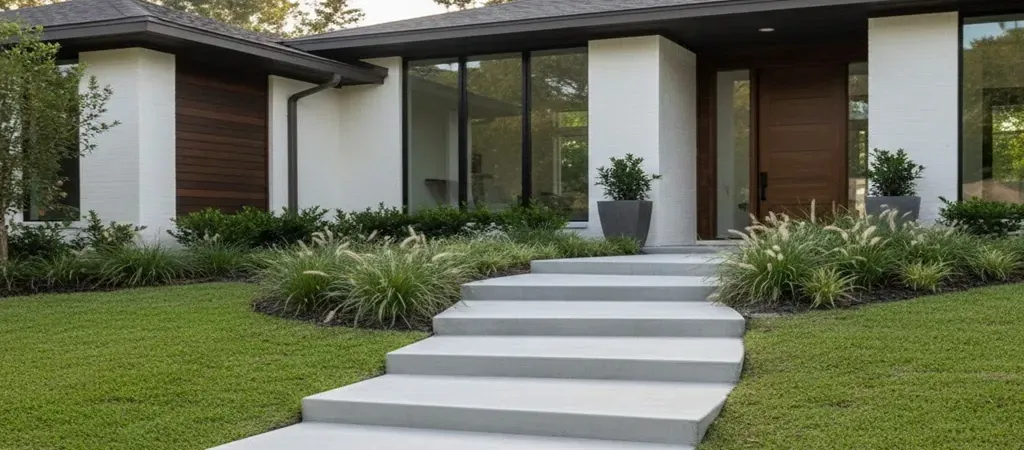
What Makes Outdoor Concrete Steps Slip-Resistant?
Core Insight:
Slip-resistant outdoor concrete steps are achieved through proper surface texture, strong concrete mixes, effective drainage, and well-designed step geometry. When these elements are planned together from the start, they prevent moisture buildup, preserve traction, and ensure long-term safety in real outdoor conditions.
According toconcrete steps installation services in Baton Rouge, outdoor concrete steps are exposed to constant challenges. Rain, humidity, dirt, and daily foot traffic all work against traction. When steps become slippery, the issue is rarely random. It is almost always the result of design decisions made during planning, pouring, and finishing. Slip resistance is built into concrete steps long before anyone ever walks on them.
Knowing what truly makes outdoor concrete steps slip-resistant requires looking at how concrete behaves outdoors and how people interact with it in real conditions.
Surface Texture Creates Traction Where It Matters Most
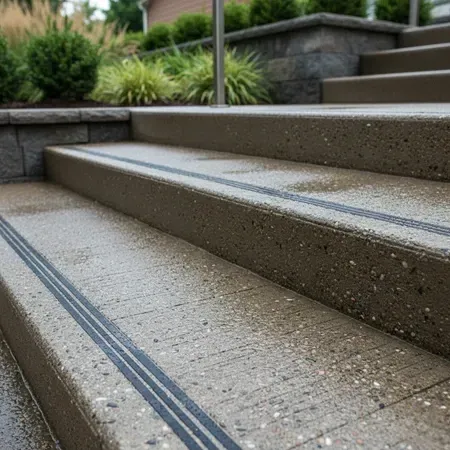
The most direct factor in slip resistance is surface texture. Concrete that is finished too smoothly may look clean and uniform, but once moisture is introduced, it loses grip quickly. Water forms a thin layer between the foot and the surface, reducing friction and increasing the risk of slipping.
Textured finishes interrupt this surface tension. By creating small ridges and valleys, texture allows water to escape while giving shoes something to grip. This is why broom-finished concrete remains one of the most effective choices for outdoor steps based on our concrete step installers. It provides consistent traction without requiring special coatings or ongoing treatments.
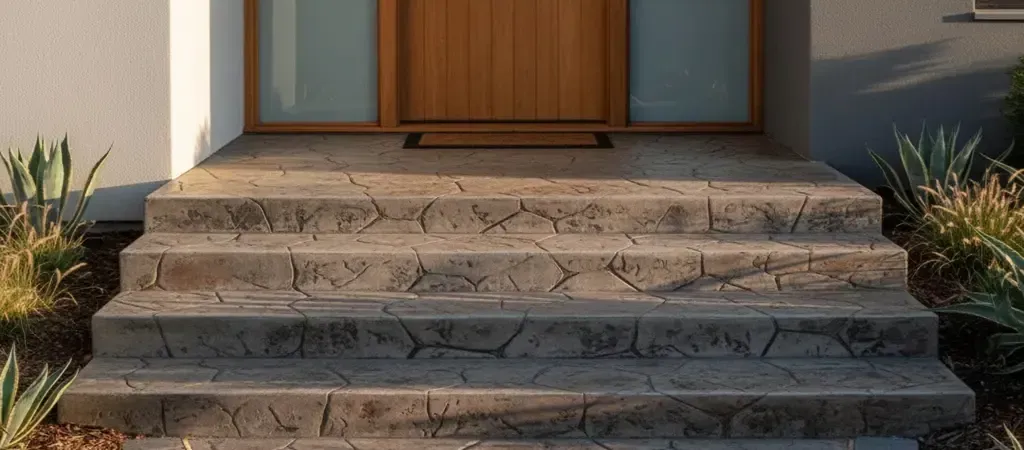
Other textures, such as exposed aggregate or certain stamped patterns, can also improve slip resistance when designed correctly. However, texture must be intentional. Decorative finishes that prioritize appearance over function often fail outdoors because they polish down over time.
The Concrete Mix Influences How Long Traction Lasts
Surface texture alone is not enough if the concrete underneath lacks strength. The quality of the concrete mix directly affects how well steps maintain their grip over the years. Weak or overly wet mixes wear down faster, causing textured surfaces to smooth out under repeated use.
Outdoor steps perform best when poured with strong concrete mixes, typically 3000 PSI or higher. Higher-strength concrete resists surface erosion, which helps preserve texture even in high-traffic areas. Aggregate selection also matters. Angular stone maintains micro-texture longer than rounded aggregate, which tends to polish with wear.
When concrete is designed specifically for exterior use, it holds up better against weather and abrasion, keeping steps safer for longer.
Drainage Prevents Slippery Conditions Before They Start
Even the best-textured concrete becomes hazardous if water is allowed to pool. That is why drainage is a critical part of slip-resistant step design. Each tread should have a subtle forward slope that encourages water to run off rather than collect.
This slope is barely noticeable when done correctly, yet it dramatically improves safety. Without it, water sits on the step surface, increasing the chance of slipping regardless of texture.
Drainage extends beyond the steps themselves. Surrounding grading, nearby landscaping, and roof runoff all influence how water moves across a property. When water flows toward steps instead of away from them, moisture becomes a constant issue rather than an occasional one.
Step Geometry Guides Safe Movement
Slip resistance is not only about friction. The shape and dimensions of concrete steps influence how people move and where they place their feet. Inconsistent riser heights force users to adjust their stride, increasing the likelihood of missteps. Shallow treads reduce contact between the foot and the surface, limiting traction.

Well-designed outdoor steps follow consistent measurements that feel natural when walked on. Adequate tread depth allows the entire foot to rest securely, while uniform riser height creates predictable movement. Edges should be defined without being overly rounded, since excessive rounding reduces grip at the point where slips most often occur.
When steps are comfortable to walk on, they are safer by default.
Sealing Choices Can Strengthen or Undermine Traction
Concrete sealers protect against moisture and staining, but not all sealers are suitable for outdoor steps. Film-forming or glossy sealers create slick surfaces that negate texture and increase slip risk, especially when wet.
Slip-resistant steps benefit from penetrating sealers that protect the concrete without altering surface friction. These sealers preserve texture while reducing water absorption. In some cases, non-slip additives may be used, but they must be applied evenly and maintained properly to remain effective.
Sealing should always support function rather than appearance. A safe surface matters more than a shiny one.
Environmental Exposure Demands Practical Design
Outdoor concrete steps exist in constantly changing conditions. Dirt, pollen, leaves, and organic growth all reduce traction over time. In humid or shaded areas, algae and mold can develop quickly, making even textured surfaces slippery if not addressed.
Slip-resistant design assumes that steps will get dirty. Finishes should be chosen for their ability to perform even when conditions are less than ideal. Concrete that requires frequent treatment or special cleaning to remain safe is not well-suited for outdoor use.
Before committing to any design, review these concrete step installation factors to build safer, longer-lasting steps in Baton Rouge
Maintenance Supports Long-Term Safety
While good design minimizes risk, maintenance plays a supporting role in slip resistance.
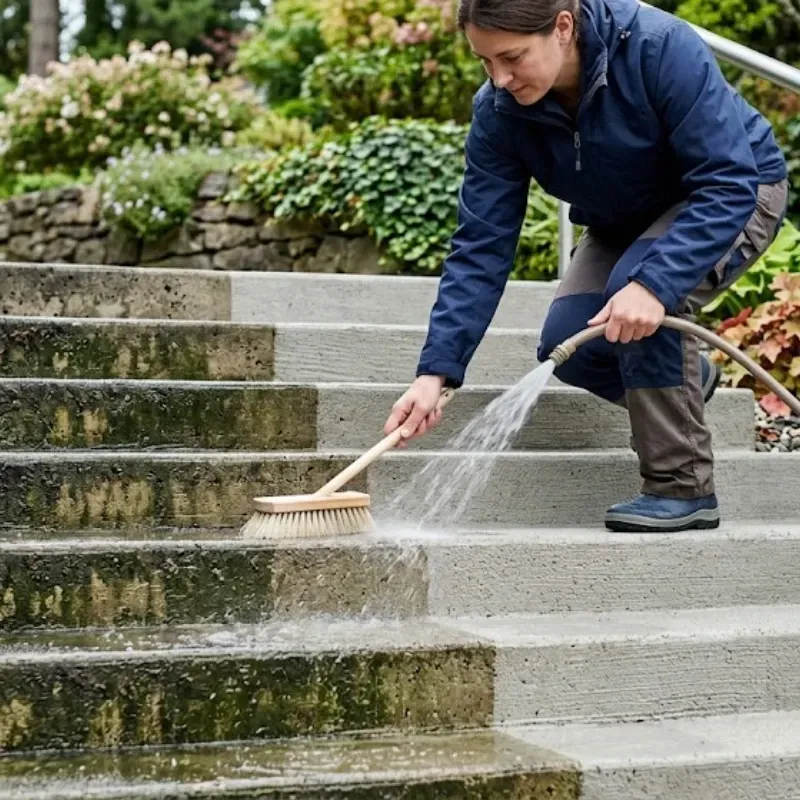
Regular cleaning removes organic buildup that interferes with traction. However, cleaning must be done correctly.
Excessive pressure washing can damage surface texture and accelerate wear. Gentle, consistent cleaning preserves grip while extending the life of the steps. Ignoring maintenance allows contaminants to build up, increasing slip risk regardless of how well the steps were originally constructed.
Maintenance does not replace good design, but it reinforces it. Once the concrete is in place, proper upkeep becomes the key to preserving its strength and appearance. Learn the concrete maintenance dos and don’ts that help preserve safety and appearance over time.
Why Slip Resistance Must Be Planned From the Beginning
Fixing slippery concrete steps after installation is difficult and expensive. Surface coatings and retrofits rarely perform as well as concrete that was designed correctly from the start. True slip resistance comes from the combined effect of texture, strength, drainage, geometry, sealing, and environmental awareness.
Each element supports the others. When one is overlooked, the entire system suffers.
Final Thoughts on Slip-Resistant Outdoor Concrete Steps
Outdoor concrete steps become slip-resistant through deliberate, informed decisions. Texture provides grip, strong mixes preserve it, drainage prevents moisture buildup, and proper dimensions guide safe movement.
The safest concrete steps are not defined by appearance alone. They are designed to perform in real weather, real use, and real conditions. When function leads the design process, safety becomes a built-in feature rather than a later concern.
For homeowners who want concrete steps built to last, the next smart move is to consult experienced concrete professionals who understand Baton Rouge’s climate and construction standards. Connecting with the right experts ensures your project is designed and executed with safety at the forefront.