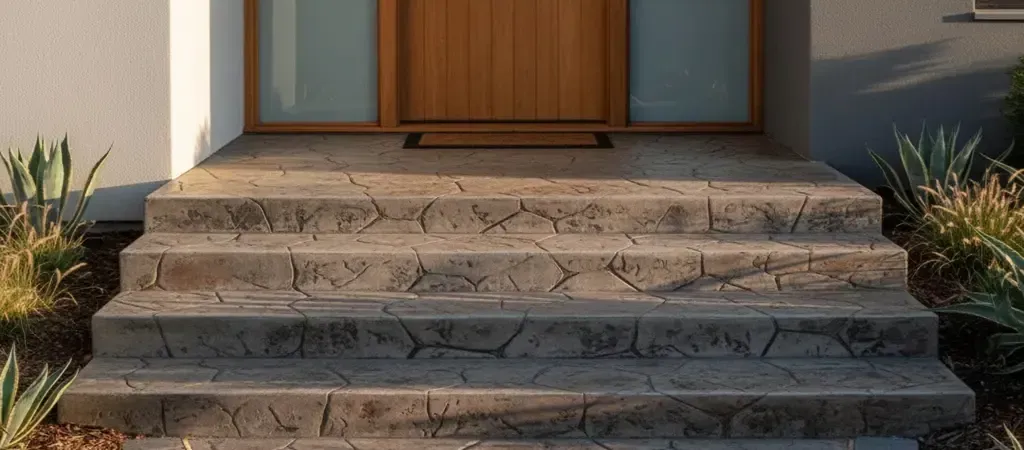
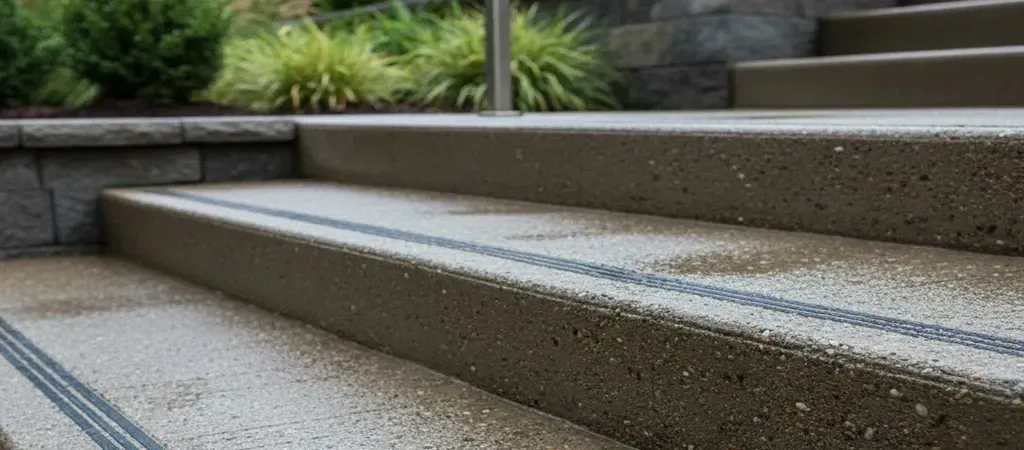
Essential Considerations for Installing Concrete Steps in Baton Rouge Homes
Property Fit Check:
Installing concrete steps in Baton Rouge requires careful planning around soil conditions, drainage, reinforcement, and precise measurements to ensure long-term stability and safety. When these factors are handled correctly, homeowners can prevent cracking, settling, and costly repairs while achieving durable and well-constructed steps.
Concrete work in South Louisiana rewards those who take a structured approach. The installation of steps is not only about pouring concrete into a form.
Concrete step installation services in Baton Rouge rely on thoughtful preparation, precise measurements, an understanding of soil behavior, and proper reinforcement to prevent long-term issues. When these elements are overlooked, homeowners often end up paying more for repairs than they would have spent doing it correctly from the start.
Understanding Local Soil Conditions
According to our concrete step specialists, one of the most overlooked considerations in Baton Rouge is the soil itself. Much of the region has clay-rich soil that expands when wet and contracts when dry. This movement places stress on concrete steps, especially when they are built directly on untreated ground.
Without proper soil removal, compaction, and base materials, concrete can shift, leading to uneven risers, trip hazards, and premature cracking.
A well-prepared base often makes the greatest difference. Installing several inches of compacted limestone or crushed concrete creates a stable platform that resists the natural movement of Louisiana soil. Steps built on a strong base are far less likely to settle or lean over time. Skipping this step turns what should be a long-lasting feature into a temporary fix.
The Importance of Accurate Rise and Run
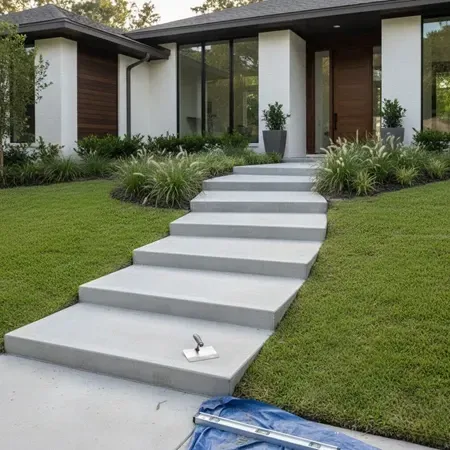
Homeowners often underestimate the importance of step geometry, yet in Baton Rouge it matters greatly. Concrete steps must follow consistent rise and run measurements to meet safety guidelines and to feel comfortable when walking. Inconsistencies create a tripping risk, and once the concrete hardens, correcting these mistakes becomes costly.
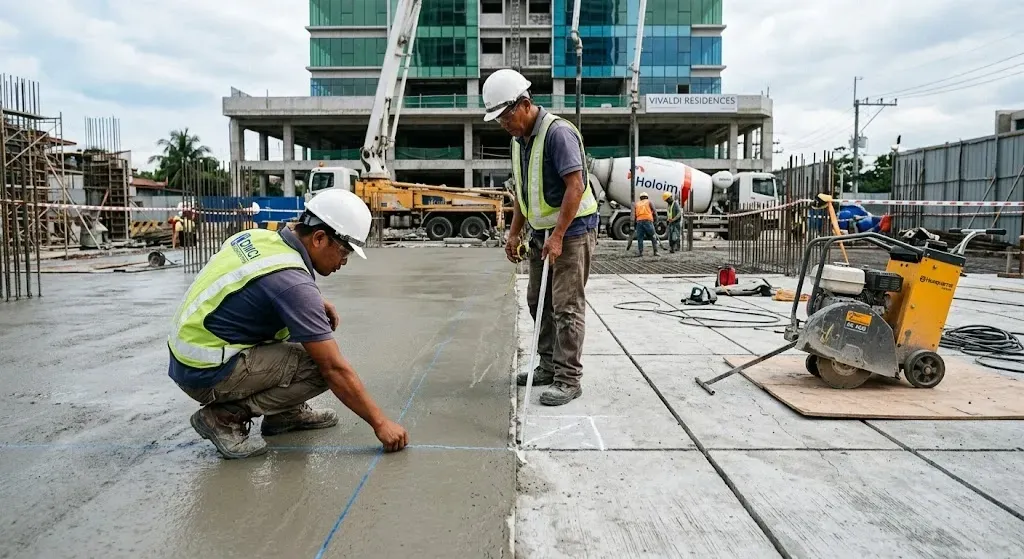
Before any concrete is poured, the forms must be measured with precision. Even a difference of half an inch between steps can make them feel uneven. Careful planning ensures the entire staircase matches the home’s entry elevation while maintaining code-compliant proportions. Baton Rouge homes frequently have variations in their landing heights, so measuring both the starting grade and the top landing is essential for avoiding surprises during the pour.
Careful planning is the key to concrete that stands the test of time. Review strategic concrete project planning in Baton Rouge.
Reinforcement Matters More Than Most People Realize
Concrete alone is undoubtedly strong, yet Louisiana’s environment requires even greater durability.
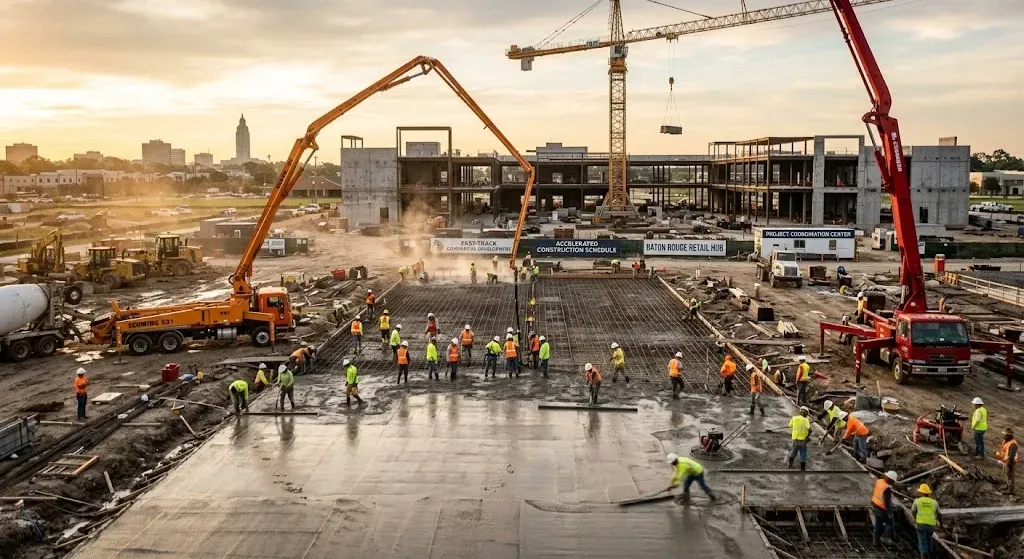
Reinforcement is what keeps concrete steps from cracking under pressure or separating at the joints. Using rebar or welded wire mesh binds the structure into a single, unified mass that can resist movement, temperature changes, and heavy foot traffic.
Choosing mixes rated at 3000 PSI or higher adds another layer of strength. This level of concrete is resilient enough to withstand the seasonal changes in Baton Rouge, particularly the intense summer heat and heavy winter rain. Reinforcement and proper concrete strength work together to prevent the small hairline cracks that can grow into structural issues over time.
Drainage Planning Should Never Be an Afterthought
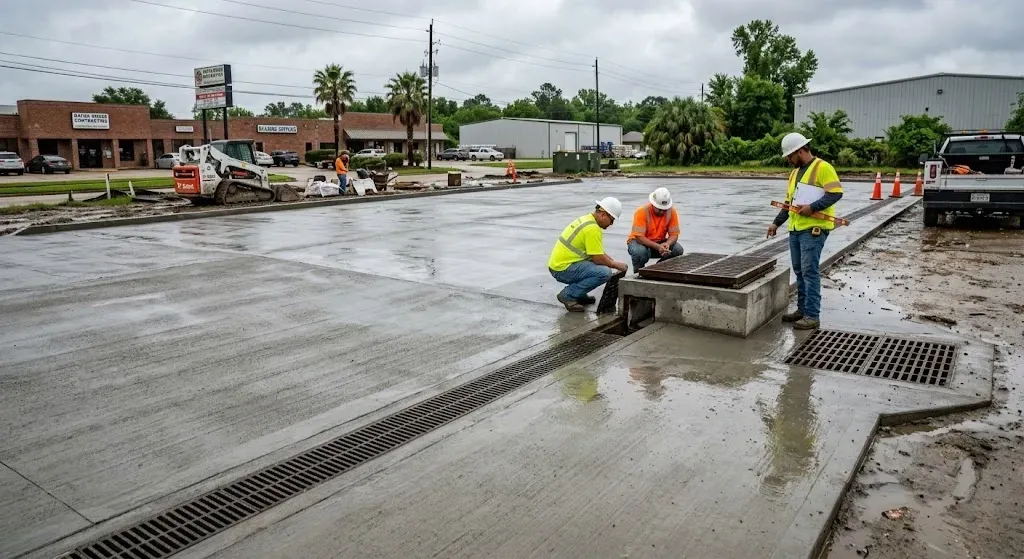
Water is one of the main enemies of concrete in Louisiana. Standing water near the base of steps can lead to erosion, soil softening, and frost-related damage during temperature drops. Proper grading around the steps can help guide water away from the structure. Sometimes a small channel or a gentle slope is enough to keep the area dry.
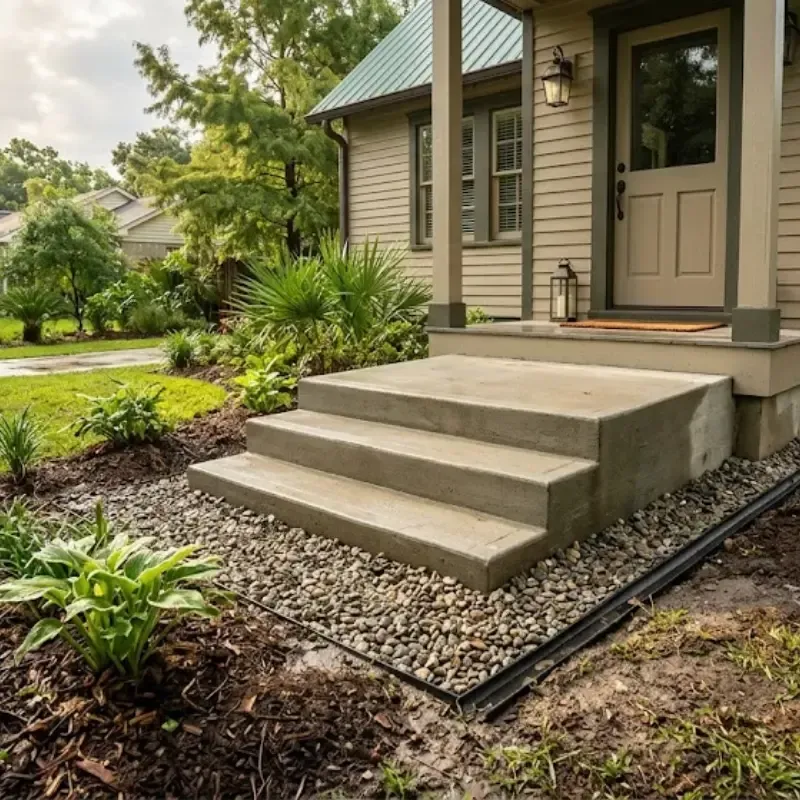
Thoughtful drainage prevents water from flowing behind the steps and washing out the foundation. Once water begins to erode the soil beneath a set of concrete steps, repairs become far more extensive. Good drainage is invisible when done correctly but highly noticeable when ignored.
Formwork and Finishing Techniques Shape the Final Look
Formwork determines the shape of the steps, while finishing determines the final appearance and slip resistance. In Baton Rouge, the combination of humidity and sudden rain showers means timing matters. Concrete must be finished at the right moment to prevent surface defects that affect both appearance and safety.
A broom finish is often the preferred choice for exterior steps because it adds texture that improves traction. Smooth finishes may look sleek, but they can become slippery when wet, especially in Louisiana’s frequent storms. Edges should be neatly tooled, corners should be consistent, and the surface should be free of weak spots caused by overworking the concrete.
The Value of an Experienced Installer
Many homeowners reach the planning stage with enthusiasm, only to realize that installing concrete steps is more technical than they expected. Experience affects every stage of the project, from compacting the soil to setting the final tread. Misjudging even one element can shorten the lifespan of the staircase.
A seasoned concrete professional pays attention to project sequencing, soil preparation, reinforcement placement, and curing conditions. They also understand how to adjust to Baton Rouge’s unpredictable weather, something that can dramatically impact the quality of a concrete pour. Homeowners often choose to work with professionals because they want long-term performance rather than short-term savings.
Not all contractors deliver the same quality. Review the qualities of a Baton Rouge concrete contractor before hiring.
Long-Term Maintenance Begins on Day One
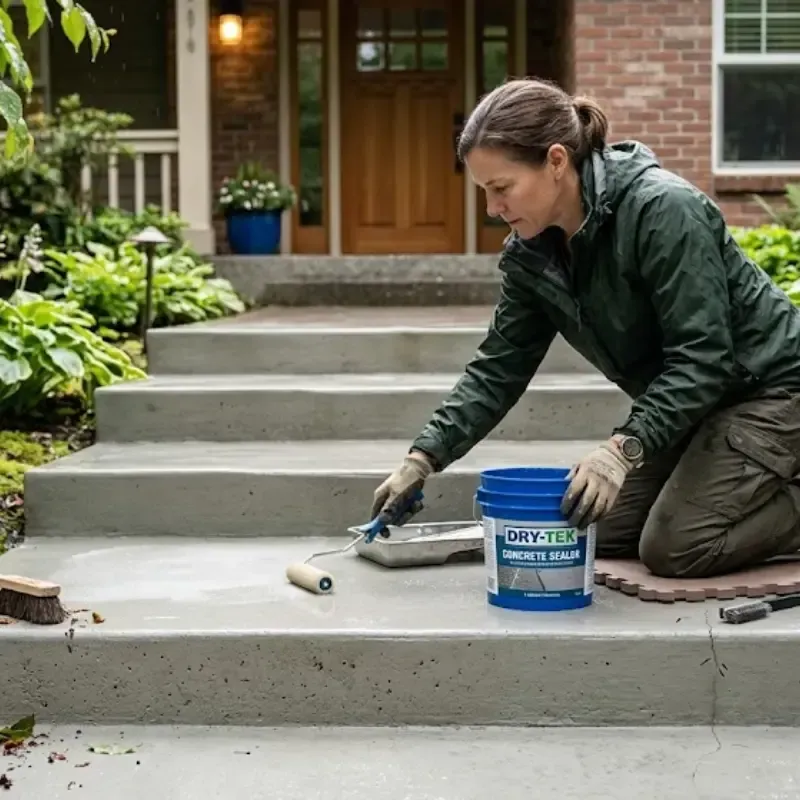
Installing concrete steps is not the end of the process. Once the concrete cures, homeowners should consider sealing the surface. Sealing reduces water penetration and prevents stains from leaves, soil, or runoff. Although sealing is optional, it significantly extends the lifespan of the concrete in humid climates.
Inspecting the steps a few times a year helps identify minor issues before they become larger problems. Small cracks can be sealed easily if caught early. Keeping the edges clear of soil buildup also prevents moisture from becoming trapped against the concrete.
Final Thoughts
Concrete steps in Baton Rouge homes deserve more attention than they often receive. Between local soil conditions, weather challenges, and the need for reinforced designs, careful planning creates a staircase that remains safe, stable, and attractive for many years. Homeowners who invest the time to understand these essential considerations set themselves up for a far more durable and reliable result.