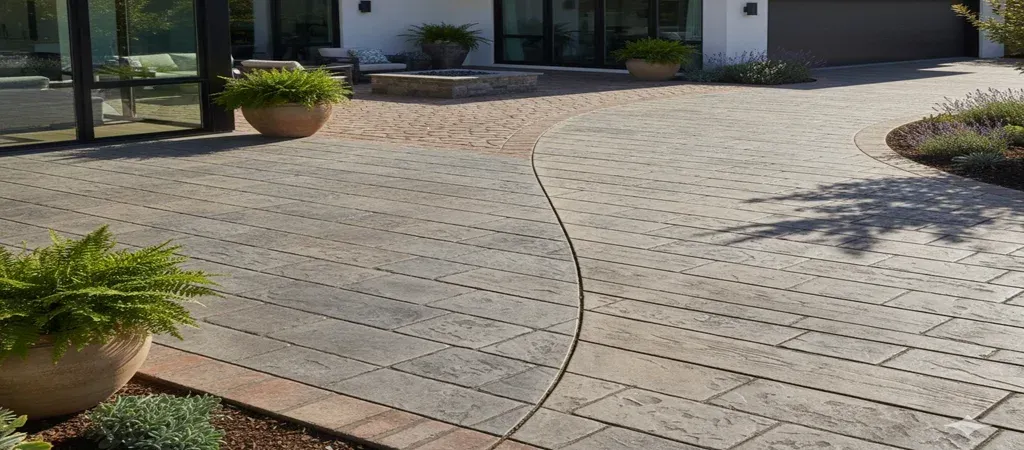
Stamped Concrete Steps: Are They Worth the Investment?
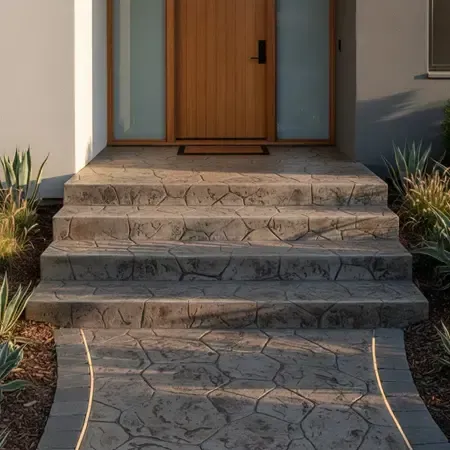
Stamped concrete steps are often presented as a premium upgrade for homes, and in many cases, that reputation is deserved. When designed and installed correctly, they deliver durability, visual impact, and long-term value that traditional materials struggle to match. Still, stamped concrete is not a decision to take lightly. It requires proper planning, skilled execution, and a clear understanding of what you are paying for. The real question is whether the investment makes sense for your property and expectations.
What Are Stamped Concrete Steps?
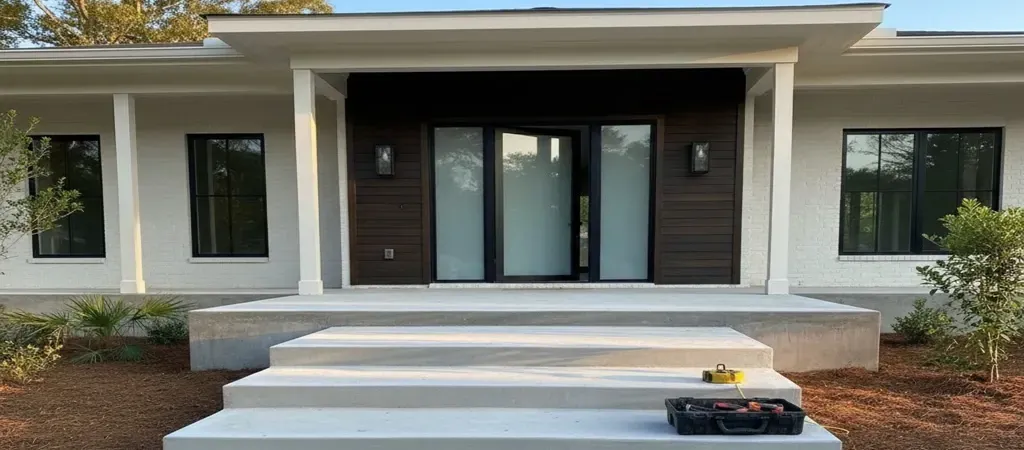
Stamped concrete steps are poured concrete steps that are textured, patterned, and colored to resemble materials such as natural stone, brick, slate, or even wood. Instead of laying individual pavers or stone pieces, the surface is molded while the concrete is still wet using specialized stamping mats. After curing, the concrete is sealed to enhance color, protect the surface, and improve longevity.
From a structural standpoint, these steps are monolithic. That means they are poured as a solid mass rather than assembled from multiple components. This is a key reason stamped concrete steps are often more durable than their alternatives.
Before moving forward with any installation, it helps to understand the factors that influence safety, durability, and long-term performance. Take a closer look at the essential considerations for installing concrete steps in Baton Rouge homes.
The Visual Advantage
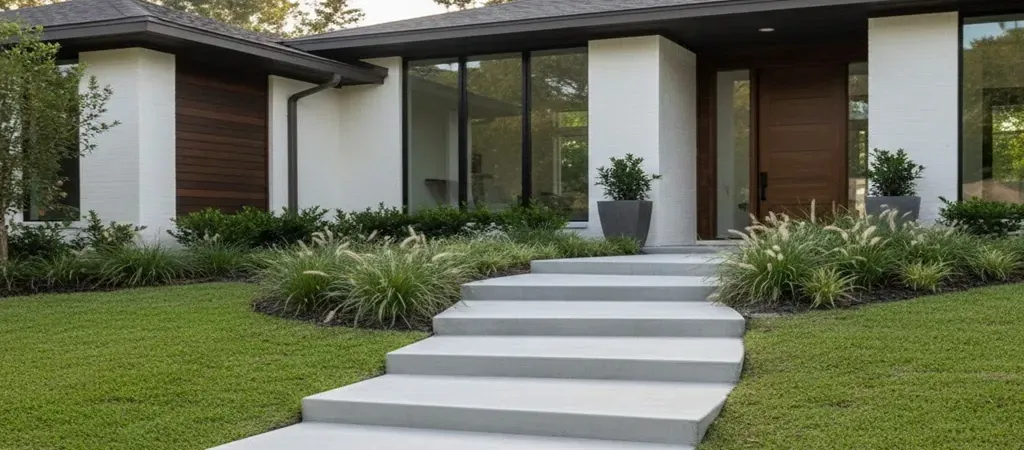
One of the strongest arguments in favor of stamped concrete steps is appearance. Well-executed stamped concrete can dramatically elevate curb appeal. The range of patterns, textures, and color combinations allows steps to blend seamlessly with driveways, patios, walkways, or surrounding landscaping.
Unlike natural stone, which can vary in tone and thickness, stamped concrete offers consistency. Each step can be shaped precisely, which is especially important for stair safety and visual symmetry. When homeowners want a high-end look without the unevenness that sometimes comes with stone or pavers, stamped concrete often delivers better results.
Durability and Structural Performance
Concrete steps, when properly reinforced and poured on a well-prepared base, are built to last. Stamped concrete does not sacrifice strength for style. In fact, it often outperforms other materials in terms of structural integrity.
Natural stone steps rely heavily on mortar joints, which can crack, loosen, or shift over time. Pavers can settle unevenly if the base preparation is less than perfect. Stamped concrete, by contrast, moves as a single unit. This reduces tripping hazards and long-term maintenance issues.
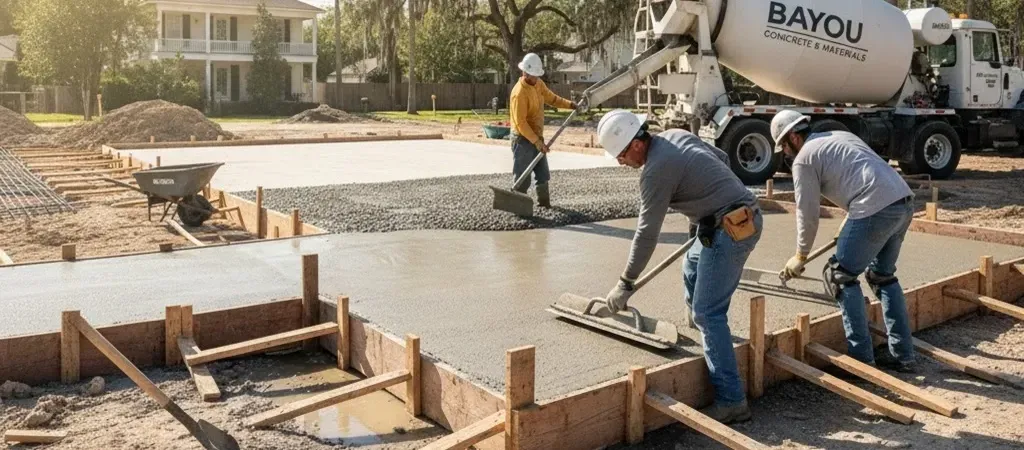
Using appropriate concrete strength, proper reinforcement, and correct curing practices is non-negotiable. When those elements are handled correctly, stamped concrete steps can withstand heavy foot traffic, weather fluctuations, and years of use with minimal structural issues.
Maintenance Requirements
Stamped concrete steps are not maintenance-free, but they are relatively low-maintenance compared to other decorative options. The primary upkeep involves resealing the surface every few years. Sealer protects against moisture intrusion, surface wear, fading, and staining.
Without sealing, stamped concrete can lose its color definition and become more susceptible to surface deterioration. With sealing, it remains visually sharp and easier to clean. Occasional washing with mild detergent is usually enough to keep the steps looking good.
In contrast, stone steps often require joint repairs, weed control, and individual stone replacement. Wood steps demand regular staining, sealing, and eventual replacement. From a maintenance perspective, stamped concrete sits in a favorable middle ground.
Ongoing care determines how well concrete steps perform over time. Learn how regular cleaning, sealing, crack monitoring, and moisture control help extend the lifespan of concrete steps and keep them safe for daily use.
Cost Considerations
Stamped concrete steps typically cost more upfront than plain concrete but less than high-quality natural stone. The price reflects the additional labor, materials, and skill required to achieve a decorative finish.
Where the investment becomes justified is in longevity and performance. Cheaper materials that require frequent repairs or replacement often end up costing more over time. Stamped concrete steps, when done right, tend to hold their value and functionality for decades.
It is also worth noting that poorly executed stamped concrete can be expensive to fix. Removal and replacement are often the only solutions for major defects. This makes contractor selection a critical part of the investment decision.
Budget planning is just as important as design and construction. Learn what factors influence the cost of installing concrete steps in Baton Rouge and how to plan accordingly.
Climate and Environmental Factors
Stamped concrete steps perform well in a wide range of climates, including areas with heavy rain, humidity, and temperature swings. Proper slope, drainage, and finishing techniques are essential to prevent water pooling and surface damage.
In regions where freeze-thaw cycles occur, correct air content, curing, and sealing become even more important. When these factors are addressed during installation, stamped concrete steps can resist cracking and scaling better than many alternatives.
Safety and Slip Resistance
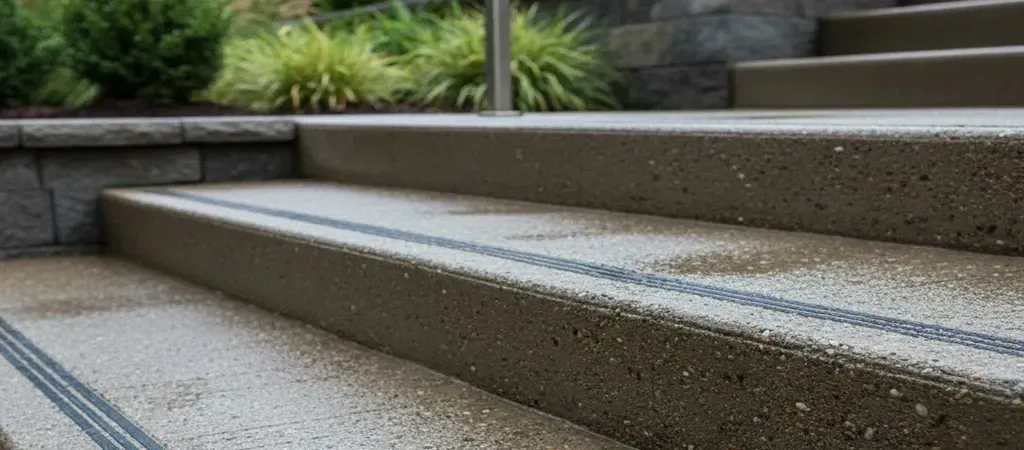
A common concern with stamped concrete steps is slip resistance. This is a valid consideration, but it is largely dependent on finishing methods. Texture depth, pattern choice, and the type of sealer used all influence traction.
When steps are designed with safety in mind, stamped concrete can offer adequate grip even when wet. Additives can be incorporated into sealers to improve slip resistance without compromising appearance. Step dimensions, consistent riser heights, and proper edge definition also play a major role in safety. Learn what design choices and finishing techniques make outdoor concrete steps more slip-resistant and safer to use in everyday conditions.
Are Stamped Concrete Steps Worth It?
Stamped concrete steps are worth the investment when quality, durability, and long-term performance matter more than short-term savings. They offer a level of customization and structural reliability that many other materials cannot match. For homeowners looking to enhance curb appeal while avoiding constant maintenance or future repairs, stamped concrete is a strong choice.
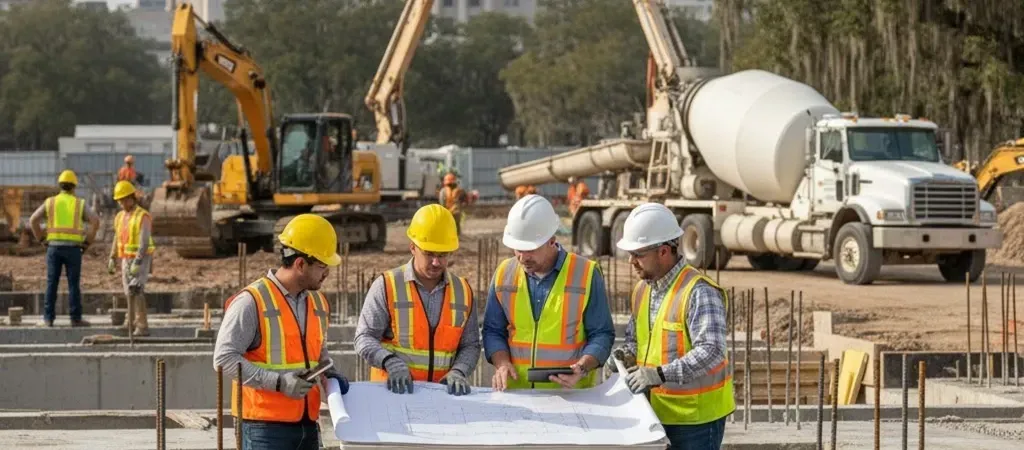
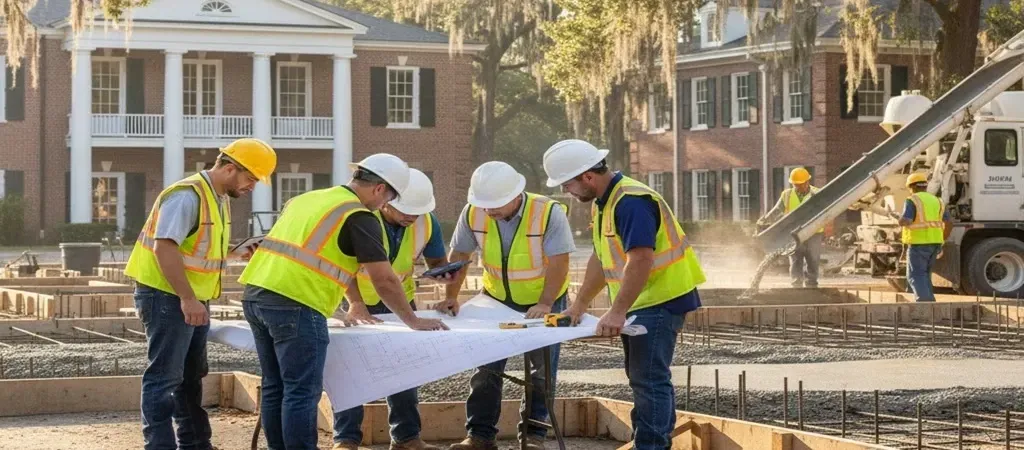
The value lies not just in the material but in the execution. Proper site preparation, correct concrete mixes, reinforcement, and experienced finishing techniques determine whether stamped concrete steps become a lasting asset or a costly disappointment.
For homeowners who want stamped concrete steps done right the first time, consult experienced concrete professionals who understand how execution impacts durability, safety, and long-term value.