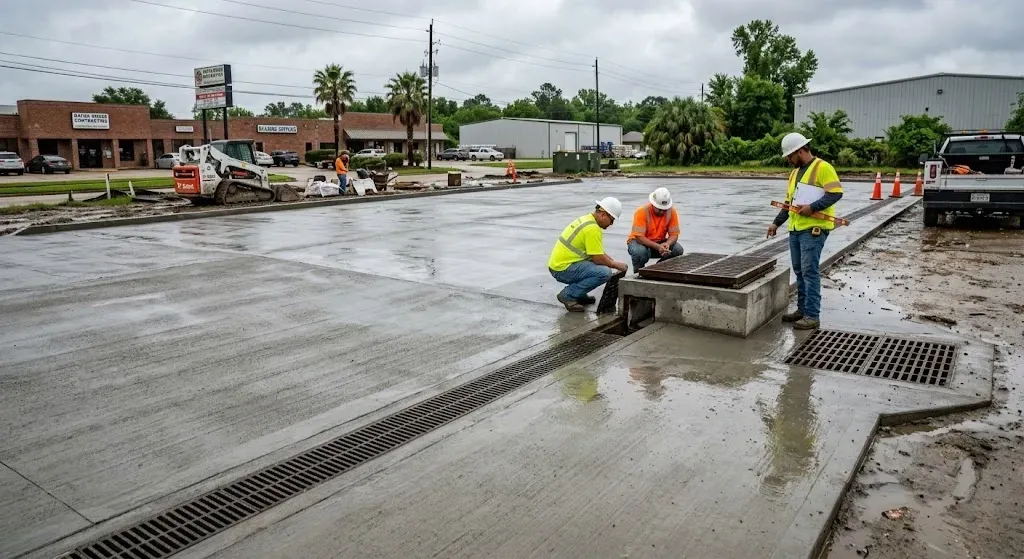
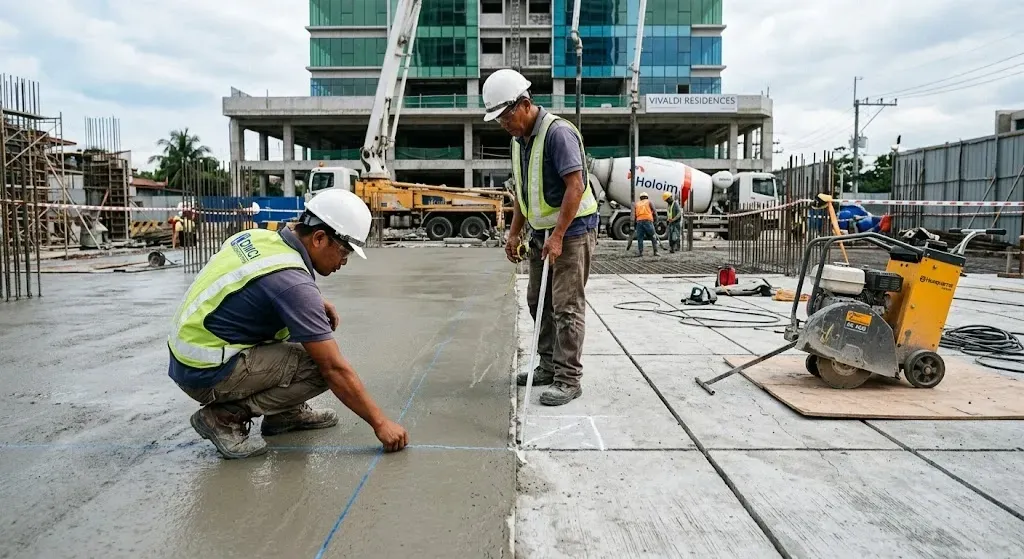
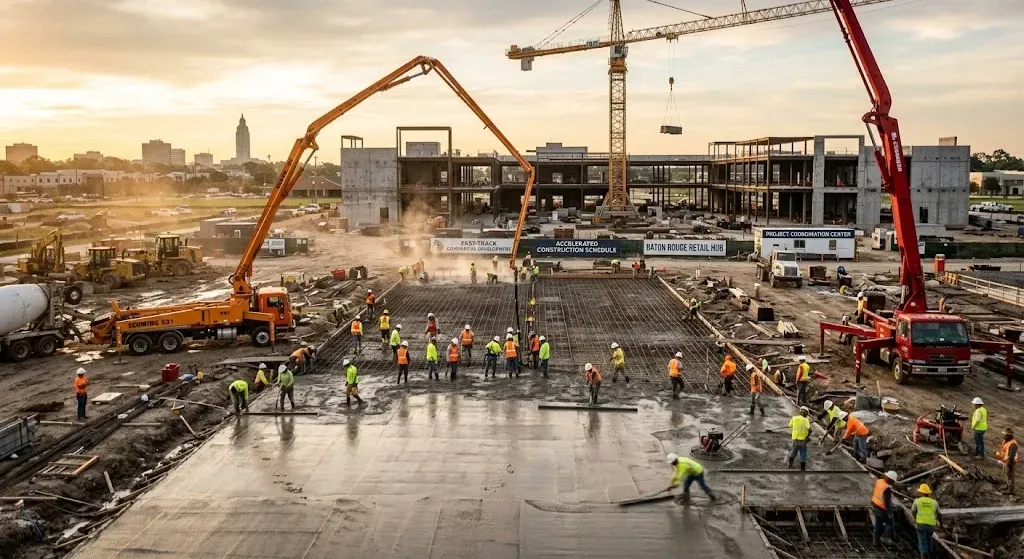
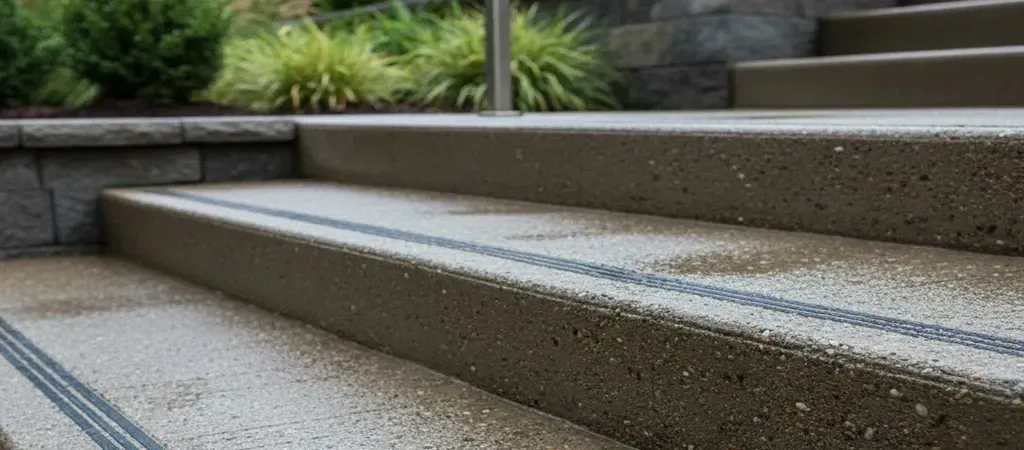
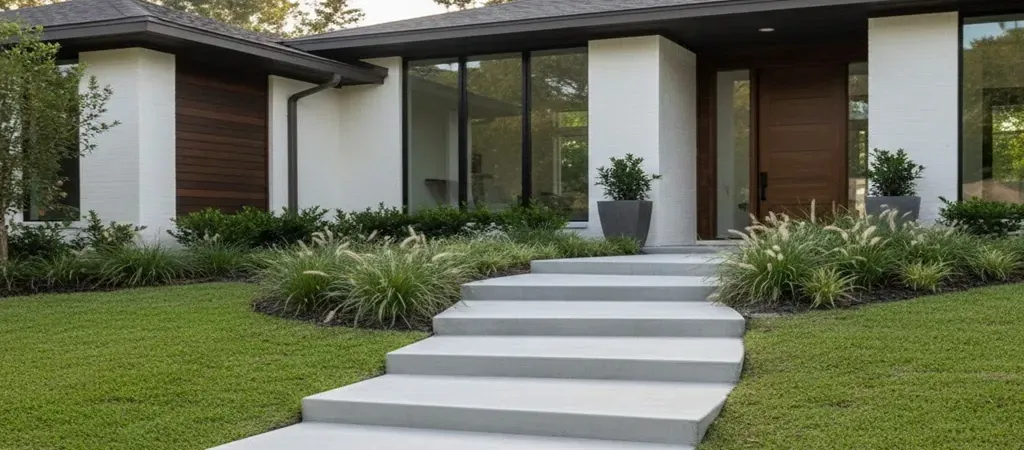
Post-tensioned concrete Baton Rouge building
Project Fit Guide:
Post-tensioned concrete offers superior strength, crack control, and efficiency for commercial buildings in Baton Rouge, especially in challenging soil and climate conditions. When properly designed and installed, it improves long-term performance, reduces maintenance, and supports larger spans, but requires precise engineering and experienced execution.
Post-tensioned concrete has become one of the most practical structural solutions for commercial buildings in Baton Rouge. In our work across the region, we have seen this system outperform traditional reinforced slabs in strength, flexibility, and long-term cost control, especially in large commercial environments where soil conditions, span requirements, and construction timelines all matter.
For developers and property owners,
commercial concrete services in Baton Rouge note that post-tensioning is not a luxury option. It is often the smarter structural decision when the building design, site conditions, and performance expectations are properly aligned.
What Post-Tensioned Concrete Is and Why It Matters
Post-tensioned concrete uses high-strength steel tendons that are tensioned after the concrete has cured. This compresses the slab internally, allowing it to span greater distances with less thickness while controlling cracking.
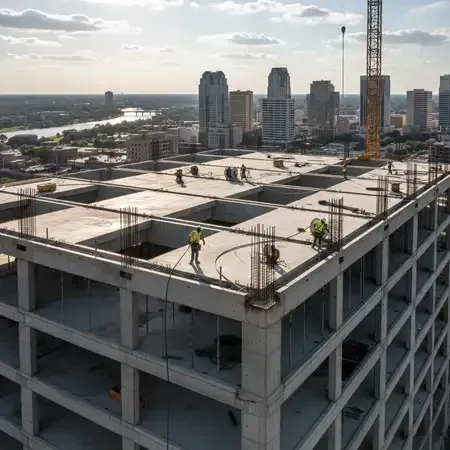
Based on the experience of our concrete construction team, this matters most in commercial buildings because cracks are not just cosmetic. Cracks lead to moisture intrusion, maintenance issues, and long-term structural concerns. In Baton Rouge’s humid climate and variable soils, controlling slab movement is critical.
Traditional rebar reinforcement resists cracking after it happens. Post-tensioning works proactively by keeping the slab under compression, reducing the likelihood of cracks forming in the first place.
Common Commercial Applications in Baton Rouge
Post-tensioned concrete is widely used in Baton Rouge across several commercial building types:
Office Buildings and Medical Facilities
Large open floor plans are easier to achieve with post-tensioning. Fewer columns mean more usable space and greater flexibility for future tenant build-outs.
Retail Centers and Restaurants
Fast construction schedules matter in retail. Post-tensioned slabs allow for thinner sections and quicker turnaround while maintaining strength. We have seen this make a real difference in opening timelines.
Parking Structures
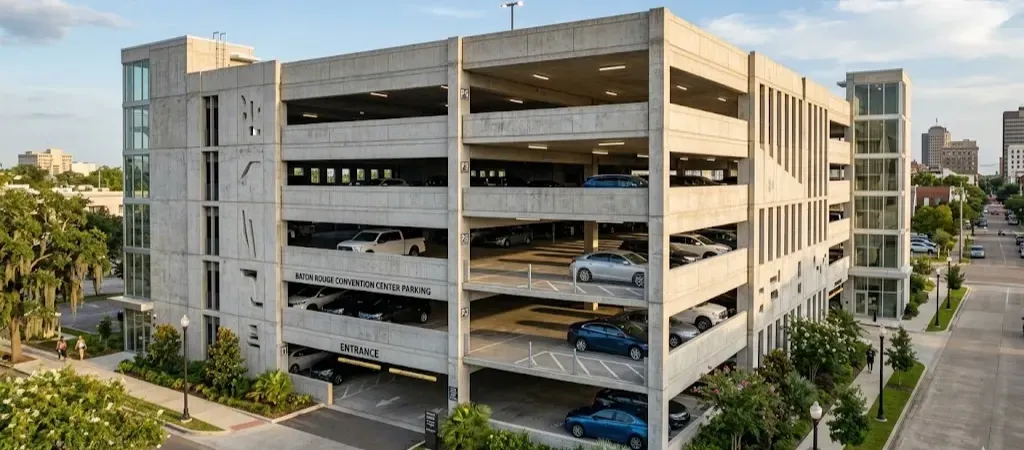
This is one of the most common applications. Post-tensioned slabs handle long spans and repetitive loads efficiently while reducing material volume.
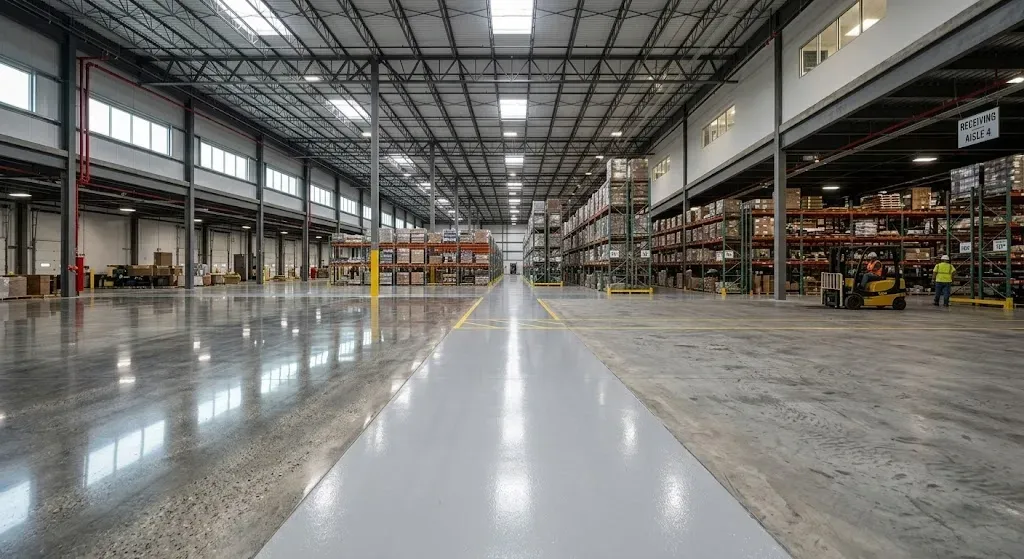
Warehouses and Distribution Centers
Heavy loads and wide bays benefit from post-tensioned systems that minimize joint spacing and improve slab performance under forklifts and racking systems.
Baton Rouge Soil Conditions Change the Equation
South Louisiana soils are expansive and unpredictable. Clay content, moisture fluctuation, and settlement are ongoing concerns. This is where post-tensioned slabs show their real value.
According to the Post-Tensioning Institute (PTI), post-tensioned slabs-on-ground help manage slab movement by resisting stresses caused by soil expansion and contraction, which is especially relevant in regions with seasonal moisture changes such as Baton Rouge.
In practice, we have seen slabs without post-tensioning develop cracking patterns that require costly remediation. If you noticed some problems in your concrete here’s how to address common concrete issues in Baton Rouge. Properly designed post-tensioned systems reduce that risk significantly when combined with correct soil preparation.

Tradeoffs You Should Understand Before Choosing Post-Tensioning
Post-tensioned concrete is not automatically the right choice for every project. Understanding the tradeoffs is essential.
Higher Design and Installation Precision
Post-tensioning requires experienced crews and strict sequencing. Mistakes in tendon placement or stressing can compromise performance.
Future Modifications Require Planning
Cutting into a post-tensioned slab without proper scanning is a serious mistake. Tendons are under high stress, and damaging them can be dangerous and expensive.
Upfront Engineering Costs
Engineering fees are typically higher, but this is often offset by material savings and reduced long-term maintenance.
Based on experience, post-tensioning works best when the project team understands these tradeoffs early and designs around them rather than reacting later.
Common Mistakes We See on Commercial Projects
Several recurring issues show up on poorly executed post-tensioned projects:
- Inadequate soil preparation before slab placement
- Contractors unfamiliar with stressing procedures
- Poor coordination between engineers and field crews
- Failure to educate owners about future cutting or drilling restrictions
The most expensive mistakes usually come from treating post-tensioning like standard flatwork. It is not.
Why Location-Specific Knowledge Matters in Baton Rouge
Baton Rouge construction is not the same as building in dry or stable soil regions. High water tables, humidity, and clay-heavy soils all influence slab behavior.

Local experience matters because mix design, tendon spacing, and stressing schedules must reflect real environmental conditions. Using a generic design approach often leads to underperforming slabs.
Soil conditions across Louisiana vary significantly by location, influencing how soils are managed and considered in construction and land use practices.
How Post-Tensioning Improves Long-Term Value
From a performance standpoint, post-tensioned slabs typically deliver:
- Reduced cracking and joint maintenance
- Better load distribution
- Thinner slabs without sacrificing strength
- More predictable long-term behavior
In commercial buildings, this translates to fewer disruptions, lower maintenance costs, and greater tenant satisfaction. These benefits are not theoretical. We have seen them play out repeatedly on real projects.
Making a Smarter Decision as a Commercial Owner or Developer
If you are considering post-tensioned concrete for a commercial building in Baton Rouge, the smartest move is to involve experienced professionals early. Ask direct questions about soil prep, tendon layout, stressing procedures, and long-term use of the space.
Avoid contractors who cannot clearly explain how post-tensioning affects future modifications or who downplay the importance of proper sequencing. To help you, here’s the complete guide to hiring concrete contractors in Baton Rouge. A well-executed post-tensioned slab is not about cutting corners. It is about aligning engineering, field execution, and local knowledge to create a slab that performs as intended for decades.

Clear Takeaway
Post-tensioned concrete is one of the most effective structural systems for commercial buildings in Baton Rouge when designed and installed correctly. Its ability to control cracking, span large areas, and handle challenging soil conditions makes it a strong choice for offices, retail centers, medical facilities, and parking structures.
Next Step for Readers
If you are planning a commercial build or expansion in Baton Rouge, evaluate whether post-tensioning fits your design goals and site conditions. Speak with professionals who understand both the engineering and the realities of Louisiana construction. Confidence comes from informed decisions, not assumptions.